Amazon A+ Content Examples: 10 Brands Doing It Right
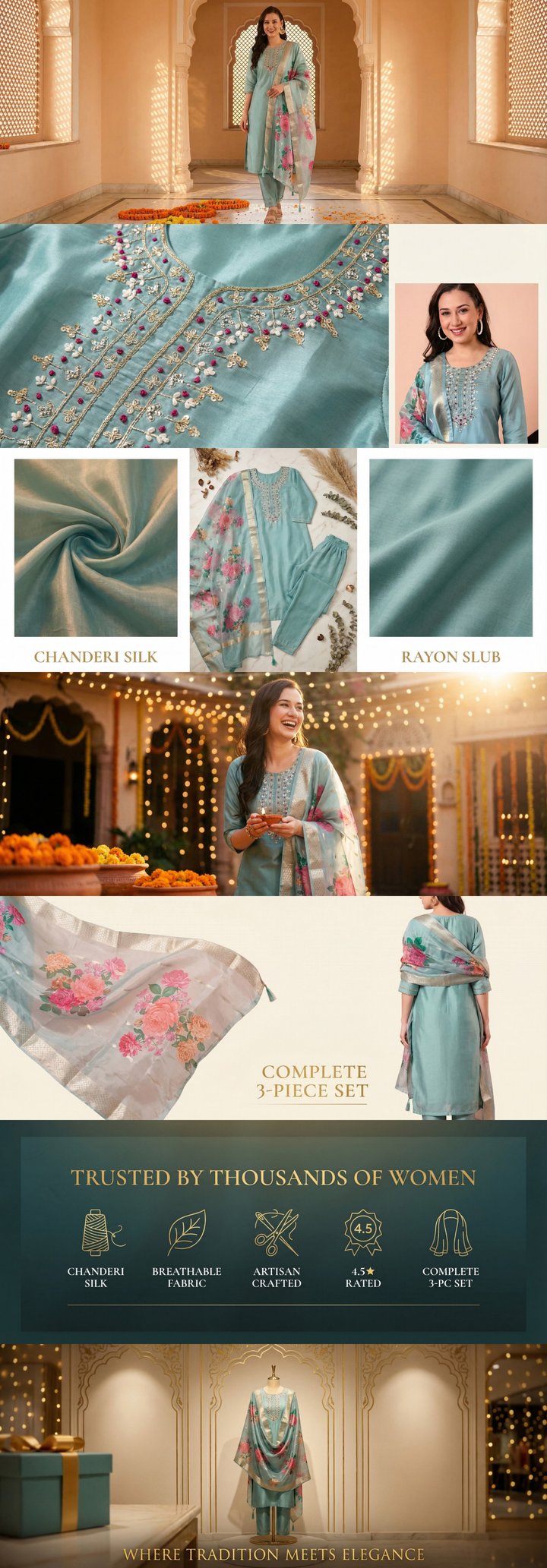 Built by zonfy in 90 seconds
↑ Real output. Try it free →
Table of contents
Learning from the Best
The fastest way to improve your Amazon A+ Content is to study what successful brands are doing. Not to copy their designs, but to understand the strategic decisions behind them — why they chose specific layouts, how they sequence information, and what makes their content convert.
We analyzed A+ Content across dozens of categories and selected 10 examples that demonstrate consistently excellent execution. For each, we break down what they do well and what you can learn from their approach.
1. Anker — Consumer Electronics
Category: Phone chargers, power banks, audio equipment
What they do well:
Anker's A+ Content is a masterclass in technical product marketing. Their approach centers on translating complex technical specifications into clear customer benefits.
For their charging products, each A+ module focuses on a single technology or feature. Rather than listing specs like "GaN III technology, 65W output, PD 3.0 compatible," they lead with outcomes: "Full laptop charge in 1.5 hours" and then explain the technology that enables it.
Their comparison charts are particularly effective. Anker has a wide product range, and their charts help customers navigate to the right charger for their devices. Each chart clearly shows compatibility, wattage, and port configuration across 4-5 products.
Key takeaway: For technical products, always translate specifications into real-world outcomes. Customers do not care about GaN technology — they care about fast charging.
2. Burt's Bees — Natural Skincare
Category: Lip balm, skincare, body care
What they do well:
Burt's Bees uses A+ Content to reinforce their natural positioning. Every module features earth-tone color palettes, ingredient close-ups, and nature imagery. The visual consistency across their entire catalog creates instant brand recognition.
Their ingredient storytelling is outstanding. Rather than simply listing "contains beeswax and coconut oil," they dedicate entire modules to showing the sourcing and quality of individual ingredients. A close-up of honeycomb next to a lip balm tube communicates quality and naturalness without a single word.
Their brand story module features their founder and their sustainability commitments. This is not filler — for their target customer who prioritizes natural products, knowing the brand's environmental values is a genuine purchase driver.
Key takeaway: If your brand has a strong identity or value system, let your A+ Content visually embody it. Do not just state your values — show them through imagery, color, and design choices.
3. JBL — Audio Equipment
Category: Bluetooth speakers, headphones, earbuds
What they do well:
JBL uses Premium A+ Content aggressively, leveraging the wider 1464px canvas for dramatic hero banners that showcase their products in action — speakers at pool parties, headphones in gym environments, earbuds on city commuters.
Their lifestyle imagery is aspirational without being unrealistic. The settings are energetic and social, matching their target demographic of younger, active consumers. The product is always visible but never the sole focus — it is shown as part of a lifestyle.
JBL also makes excellent use of the comparison chart module to differentiate between their product lines (Flip, Charge, Xtreme, Boombox). For a brand with overlapping product lines, this chart prevents customer confusion and reduces "which one should I buy?" questions.
Key takeaway: Lifestyle imagery should show your product enabling an experience, not just existing in an environment. The product is a means to an end — show the end.
4. Instant Pot — Kitchen Appliances
Category: Multi-cookers, air fryers, kitchen appliances
What they do well:
Instant Pot faces a specific A+ Content challenge: their products have many functions, and customers often do not understand what all of them do. Their A+ Content directly addresses this by dedicating individual modules to each cooking function with appetizing food photography.
Each function (pressure cook, slow cook, saute, steam, etc.) gets its own visual with a finished dish. This is brilliant because it transforms an abstract feature list into concrete meal possibilities. A customer who was uncertain about what a "7-in-1 multi-cooker" actually does can now see seven different meals it produces.
Their "what's in the box" module is another standout. By showing every accessory laid out neatly with labels, they answer the common pre-purchase question about what is included and convey value — "look at everything you get."
Key takeaway: For multi-function products, show each function's output or result separately. Do not assume customers understand how a feature translates to utility.
Try zonfy free
Generate Amazon A+ Content in 90 seconds
7 professional A+ images (1464×600 desktop + 600×450 mobile) sized exactly for Seller Central. Built from your product photos in 90 seconds.
Generate A+ Content →Your first generation is free. No credit card required.
5. Olaplex — Professional Hair Care
Category: Hair treatment, shampoo, conditioner
What they do well:
Olaplex positions itself as a professional-grade product, and their A+ Content reinforces this positioning at every touchpoint. Their imagery is clinical and precise — clean white backgrounds, laboratory-inspired layouts, and professional salon photography.
What sets Olaplex apart is their approach to ingredient education. Each product's A+ Content includes a module explaining the key active ingredients and how they work at the hair strand level. This appeals to their educated, ingredient-conscious customer base and justifies the premium price point.
Their before-and-after modules (compliant with Amazon's guidelines by showing hair texture improvements rather than making medical claims) provide visual proof of product effectiveness. These are among the most persuasive A+ Content elements in the beauty category.
Key takeaway: If your product commands a premium price, your A+ Content needs to justify that price. Educate customers on what makes your product different at the ingredient or technology level.
6. Coleman — Outdoor Equipment
Category: Camping tents, coolers, outdoor furniture
What they do well:
Coleman's A+ Content excels at addressing the practical questions that outdoor equipment buyers have. For their tents, every module serves a functional purpose: setup instructions with clear diagrams, interior space dimensions with visual comparisons, weatherproofing specifications with rain testing imagery, and packed-size demonstrations.
Their specification modules are particularly well-designed. Instead of a plain table of dimensions, they show an annotated diagram of the tent with dimensions labeled directly on the image. A person silhouette inside the tent provides intuitive scale reference — something measurements alone cannot convey.
Coleman also effectively uses seasonal lifestyle imagery. Their A+ Content for winter gear shows snowy campsite scenes, while summer products feature sunny outdoor settings. This contextual imagery helps customers visualize using the product in the conditions they are planning for.
Key takeaway: For products where size, dimensions, and practical functionality matter, show scale references and annotated diagrams. Measurements in text are processed slowly; visual comparisons are processed instantly.
7. Philips Sonicare — Electric Toothbrushes
Category: Oral care technology
What they do well:
Philips Sonicare uses A+ Content to explain technology that customers cannot see. Their brush heads vibrate at 31,000 strokes per minute — a number that means nothing to most people. Their A+ Content translates this into visual demonstrations: animation-style diagrams showing plaque removal, water jets between teeth, and gum stimulation.
Their comparison chart module is one of the best in any category. With multiple product tiers (1100, 4100, 9900), the chart clearly shows feature differences — pressure sensors, brush modes, app connectivity, battery life — helping customers select the right model. The top-selling model is visually highlighted, providing a default choice for undecided buyers.
The Premium A+ interactive hotspot modules on their flagship models let customers hover over different parts of the toothbrush to learn about the technology in each component. This turns a static product image into an exploratory experience.
Key takeaway: Comparison charts are essential for brands with tiered product lines. Make it easy for customers to understand the differences and choose confidently.
8. Hydro Flask — Water Bottles
Category: Insulated drinkware
What they do well:
Hydro Flask has built A+ Content that does something rare on Amazon: it makes a simple product feel premium and desirable. Water bottles are a commodity category, yet Hydro Flask commands significant price premiums through brand positioning.
Their A+ Content features bold, colorful lifestyle photography with a consistent visual identity. Every module uses vibrant backgrounds that match or complement the bottle's color. The effect is energetic and lifestyle-forward — you are not buying a water bottle, you are buying the active, outdoor lifestyle it represents.
Their insulation technology module is a standout. A cross-section diagram of the bottle shows the double-wall vacuum insulation with clear labels. This single image justifies the price difference over standard water bottles and is the most frequently referenced element in their positive reviews.
Key takeaway: In commodity categories, A+ Content is your primary differentiation tool. Use it to visually communicate why your product is worth the premium.
9. Cricut — Craft Machines
Category: Cutting machines, craft supplies
What they do well:
Cricut faces a unique A+ Content challenge: many potential customers do not fully understand what their product does or what they can create with it. Their A+ Content is essentially an inspiration gallery combined with capability demonstrations.
Each module showcases a different project category — custom t-shirts, vinyl decals, paper crafts, leather accessories — with finished project photography. This "look what you can make" approach is far more compelling than listing technical specifications.
Their A+ Content also addresses the learning curve concern. Dedicated modules show the Cricut Design Space software interface and the step-by-step workflow (design, cut, assemble), making the process look approachable rather than intimidating.
The cross-sell module at the bottom shows compatible accessories and materials, which is particularly important for a product that requires consumables. This drives accessory revenue and sets expectations about the complete ecosystem.
Key takeaway: For products that require customer education, use A+ Content to show possibilities and outcomes. Reduce perceived complexity by showing the process step-by-step.
10. Dyson — Premium Home Appliances
Category: Vacuums, air purifiers, hair care
What they do well:
Dyson's A+ Content is the gold standard for premium product presentation. Their approach can be summarized in one word: engineering.
Every module is designed with the precision and minimalism of their products. White space is used intentionally, typography is clean and authoritative, and product photography is immaculate. The visual language says "this is an engineered product from a serious company" without ever stating it explicitly.
Dyson's technology explanation modules are exceptional. They use cutaway diagrams, airflow visualizations, and component close-ups to show the engineering inside their products. Their cyclone technology, digital motors, and filtration systems are explained with technical diagrams that are simultaneously educational and visually compelling.
Their product-in-use demonstrations are always shown in aspirational but believable home environments — modern, clean, well-lit spaces that represent their target customer's aesthetic. The settings are carefully chosen to position the product as a design object as well as a functional appliance.
Key takeaway: For premium products, every pixel of your A+ Content should reinforce the premium positioning. Minimalist design, generous white space, and meticulous photography communicate quality before the customer reads a single word.
Patterns Across All 10 Brands
Analyzing these examples reveals consistent patterns in what makes A+ Content effective:
1. Benefit-first messaging
Every high-performing brand leads with customer benefits, not product features. The technical specifications support the benefit claims but never lead.
2. Visual consistency
Each brand maintains absolute visual consistency across all 7 modules. Same color palette, same typography style, same image treatment. This consistency builds brand trust and professionalism.
3. Strategic information sequencing
The content flows from emotional (hero banner, lifestyle) to rational (specifications, comparison) to action (cross-sell). This mirrors the natural decision-making process.
4. Mobile awareness
Even in Basic A+ Content, these brands design with mobile readability in mind. Text is large enough to read when scaled to phone screens, and critical information is centered within images.
5. Comparison charts as conversion tools
Nearly every brand uses comparison charts, and they use them strategically — to guide customers between product options, not just to display data.
6. Brand story as trust builder
The brand story module is used to build emotional connection and trust, not as a company advertisement. It answers "why should I trust this brand?" rather than "how great is this company?"
Applying These Lessons to Your Products
You do not need Dyson's photography budget to create effective A+ Content. The strategic principles demonstrated by these brands apply at any budget level:
- Start with customer research. Know what questions and objections your A+ Content needs to address.
- Lead with benefits. Translate every feature into a customer outcome.
- Be visually consistent. Pick a color palette and stick with it across all modules.
- Show, do not tell. Use images to demonstrate what text describes.
- Use comparison charts. They convert. Period.
- Design for mobile. Over 70% of your customers will see your A+ Content on a phone.
For a step-by-step guide to creating your own high-converting A+ Content, see our detailed tutorial on how to create A+ Content that converts. For image specifications and sizing, reference our A+ Content image sizes guide.
And if you want to generate a complete set of 7 A+ images quickly, tools like zonfy apply many of these same principles — strategic content sequencing, benefit-focused messaging, and exact Amazon dimension compliance — automatically from your product photos.